In commercial baking, consistency and efficiency are two key factors that determine production success. A dough divider is an essential piece of bakery equipment designed to divide large portions of dough into smaller, evenly sized pieces. By ensuring accurate portion control, dough dividers help bakeries produce uniform bread, rolls, buns, and other baked products while reducing manual labor and improving overall productivity.
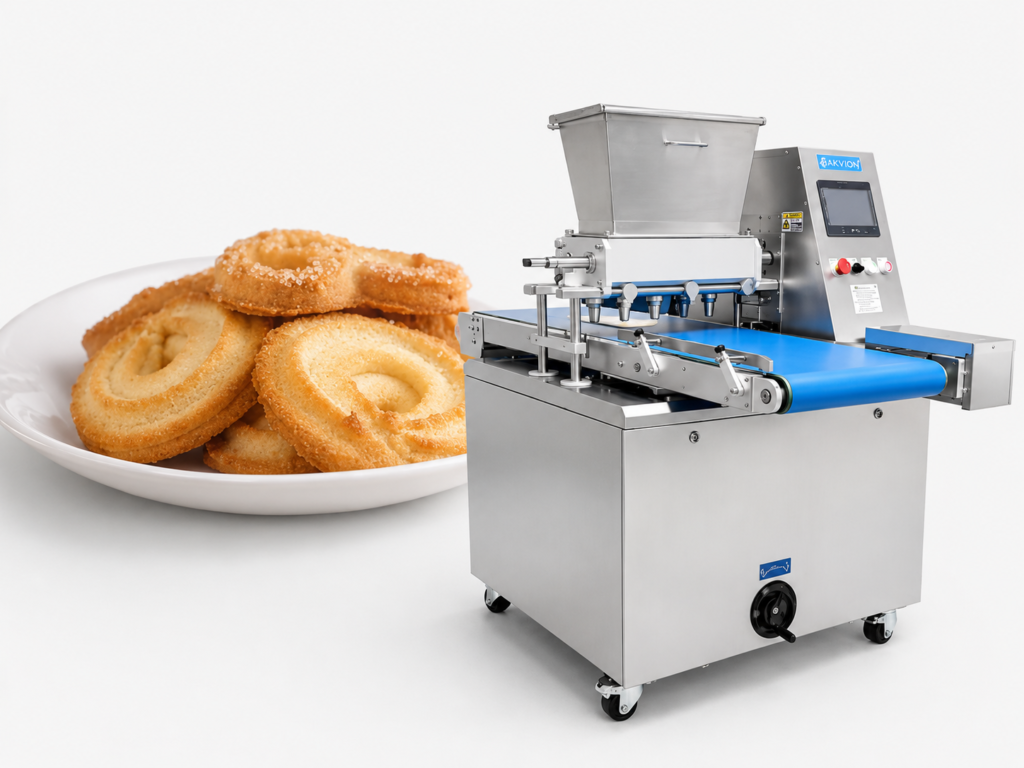
A dough divider machine works by using advanced mechanical or hydraulic systems to portion dough according to preset weights and sizes. Instead of relying on manual cutting, the machine automatically measures, separates, and shapes dough portions with high accuracy. This process not only saves time but also minimizes dough waste and ensures consistent quality across every batch.
For bakeries, food manufacturers, and industrial baking facilities, investing in a reliable dough divider can significantly improve production efficiency and product consistency. Whether you operate a small bakery or a large-scale commercial bakery line, understanding how dough dividers work and their benefits can help you choose the right equipment for your business needs.
What Is a Dough Divider?
A dough divider is an essential bakery machine designed to divide large quantities of dough into evenly sized portions with speed and precision. Unlike manual dough cutting, this equipment uses advanced dividing technology to ensure consistent weight, size, and shape for every dough piece, helping bakeries maintain stable product quality throughout the production process.
For commercial bakeries, consistency is critical. A dough divider helps improve production efficiency while reducing labor requirements and minimizing dough waste. By automating the portioning process, operators can achieve faster output and more accurate results, even during high-volume baking operations.
Key Benefits of Using a Dough Divider
Consistent Dough Portions
A dough divider ensures every piece of dough has the same weight and size, resulting in uniform baking performance, appearance, and texture.
Higher Production Efficiency
Compared with manual dividing methods, dough divider machines significantly increase processing speed, making them ideal for bakeries with continuous production demands.
Reduced Labor Costs
Automation reduces the need for repetitive manual work, allowing bakery staff to focus on other important production tasks.
Improved Product Quality
Accurate portion control helps create consistent bread, buns, rolls, and other bakery products with reliable quality.
Less Dough Waste
Precise dividing technology minimizes portioning errors and improves raw material utilization.
Today, dough dividers have become a valuable solution for bakeries of all sizes, from small artisan shops to large industrial baking facilities, helping manufacturers achieve greater efficiency, consistency, and profitability.
How Does a Dough Divider Work?
A dough divider works by separating a large dough mass into multiple equal portions through mechanical, hydraulic, or volumetric dividing systems. The machine is designed to deliver accurate portion control while maintaining dough quality, making it an important part of modern bakery production lines.
The basic working process includes several steps:
1. Dough Loading
Prepared dough is placed into the machine’s hopper, where it is positioned for the dividing process.
2. Dough Measuring and Compression
The machine applies controlled pressure or measurement techniques to distribute the dough evenly and prepare it for cutting.
3. Dough Dividing
The internal cutting mechanism, such as blades, pistons, or dividing chambers, separates the dough into accurately sized portions.
4. Portion Release
The divided dough pieces are automatically discharged and can move directly to the next production stage, such as rounding, shaping, or baking.
Different dough divider machines use different technologies depending on production requirements. Hydraulic systems provide strong dividing force for heavier dough, while volumetric systems focus on speed and continuous production. Regardless of the design, the main goal remains the same: achieving accurate, consistent, and efficient dough portioning.
Types of Dough Dividers
Dough dividers are available in different configurations to meet the needs of various bakery operations. The right choice depends on factors such as production volume, dough characteristics, automation requirements, and budget.
Manual Dough Dividers
Manual dough dividers are simple and economical solutions for small bakeries or businesses with limited production needs. They require more operator involvement but provide reliable portioning performance at an affordable investment cost.
Semi-Automatic Dough Dividers
Semi-automatic dough dividers combine manual operation with automated dividing functions. They offer greater efficiency and flexibility compared with manual models, making them suitable for growing bakeries looking to improve productivity.
Automatic Dough Dividers
Automatic dough dividers are designed for high-volume bakery production. These machines provide fast, continuous operation with minimal operator assistance, making them ideal for commercial bakeries and industrial food production facilities.
Hydraulic Dough Dividers
Hydraulic dough dividers use hydraulic pressure technology to achieve accurate and consistent dough portioning. They are particularly suitable for dense dough types and demanding production environments where reliability and precision are required.
Volumetric Dough Dividers
Volumetric dough dividers measure dough based on volume to achieve rapid and consistent portioning. They are widely used in large-scale bakery operations where high speed, automation, and production efficiency are key priorities.
Where Is a Dough Divider Used?
A dough divider is widely used across different food production environments where accuracy, efficiency, and consistent output are essential. By automatically dividing large dough batches into evenly sized portions, this machine helps businesses improve production speed while maintaining reliable product quality.
From small bakeries to large industrial food processing facilities, dough dividers play an important role in streamlining production workflows. They reduce manual handling, improve portion accuracy, and help manufacturers maintain consistent results across every batch.
Bakeries (Bread, Buns, and Rolls)
In commercial bakeries, dough dividers are commonly used for producing bread, buns, rolls, and other baked goods. The machine ensures each dough portion has the same weight and size, helping achieve uniform baking results, consistent appearance, and stable product quality.
Pizzerias (Pizza Dough Portioning)
Pizzerias use dough dividers to quickly create evenly sized pizza dough portions. This helps maintain consistent crust size and thickness while improving preparation efficiency during busy service periods.
Food Production Factories
Large-scale food manufacturers rely on automatic dough dividers for continuous, high-volume production. These machines help improve processing speed, reduce labor requirements, and ensure consistent portion control in industrial bakery operations.
Catering Businesses and Central Kitchens
Central kitchens and catering companies use dough dividers to efficiently prepare large quantities of dough for multiple locations or large orders. Consistent portioning helps simplify production planning and maintain product standards.
For businesses handling high-volume dough production, a reliable dough divider is an essential investment for improving efficiency, reducing waste, and achieving consistent product quality.
Dough Press vs. Dough Sheeter vs. Dough Divider
Although dough presses, dough sheeters, and dough dividers are all important bakery machines, they serve different purposes in the production process. Understanding their differences helps businesses choose the right equipment for their specific applications.
| Comparison | Dough Press | Dough Sheeter | Dough Divider |
|---|---|---|---|
| Main Function | Presses dough into a specific shape or thickness | Rolls dough into an even sheet | Divides bulk dough into equal portions |
| Production Stage | Used during shaping and forming | Used before shaping, layering, or baking | Used after mixing and before rounding or shaping |
| Output Result | Flat or shaped dough pieces | Uniform dough sheets with controlled thickness | Individual dough portions with accurate weight |
| Key Advantage | Faster shaping with consistent results | Precise thickness control for delicate dough products | Improved portion accuracy and production efficiency |
| Common Applications | Pizza bases, tortillas, flatbread products | Pastries, croissants, laminated dough | Bread, buns, rolls, pizza dough portions |
| Ideal For | Businesses needing fast dough forming | Bakeries producing layered or sheeted products | Bakeries requiring accurate portioning at scale |
How to Choose the Right Dough Divider
Selecting the right dough divider is essential for improving production efficiency and maintaining consistent product quality. The best machine depends on several factors, including your production volume, dough characteristics, and business requirements.
Production Capacity
Choose a machine that matches your daily production needs. A properly sized dough divider helps prevent production delays while avoiding unnecessary equipment costs.
Dough Characteristics
Different dough types, including soft, stiff, sticky, or high-hydration dough, may require different dividing technologies. Make sure the machine is suitable for your specific dough formulation.
Product Requirements
Consider the types of products you produce, such as bread, buns, rolls, or pizza dough. The right divider should provide the portion accuracy needed for your product range.
Automation Level
Dough dividers are available in manual, semi-automatic, and fully automatic models. Select the appropriate automation level based on your labor availability and production scale.
Available Production Space
Before purchasing, consider your available workspace and production layout. A suitable machine should integrate smoothly into your existing workflow.
Budget and Long-Term Value
Instead of focusing only on initial cost, consider machine durability, maintenance requirements, and long-term production benefits.
Choosing the right dough divider allows bakeries to achieve higher efficiency, better consistency, and improved profitability over time.
Common Mistakes to Avoid When Choosing a Dough Divider
Selecting the wrong dough divider can lead to production inefficiencies, unnecessary costs, and inconsistent product quality. Avoiding these common mistakes can help you make a better investment decision.
Choosing the Wrong Machine Capacity
A machine with insufficient capacity may slow down production, while an oversized machine may increase operating costs without providing additional value.
Ignoring Dough Compatibility
Different dough formulations require different dividing methods. Choosing equipment without considering dough characteristics may affect performance and final product quality.
Paying for Unnecessary Features
Advanced automation features can improve efficiency, but they may not be necessary for every bakery. Choose functions that match your actual production requirements.
Failing to Consider Future Growth
Your business may expand over time, so selecting equipment with suitable capacity and flexibility can help avoid frequent upgrades or replacement costs.
Making the right choice from the beginning ensures smoother operations, consistent production results, and long-term business growth.
Get the Right Dough Divider for Your Bakery
Choosing the right dough divider can significantly improve your bakery’s production efficiency and product consistency. Our team provides professional guidance to help you select the ideal machine based on your production capacity, dough type, product requirements, and budget.
Whether you are upgrading an existing bakery operation or building a new production line, we offer reliable dough dividing solutions designed to meet different business needs.
Contact us today for expert advice and find the right dough divider solution for your bakery.