
Commercial bakery equipment plays a critical role in modern baking operations, helping bakeries improve production efficiency, maintain consistent product quality, and meet growing customer demand. Whether you are opening a new bakery, expanding an existing business, or upgrading your production line, selecting the right bakery equipment is essential for achieving long-term success.
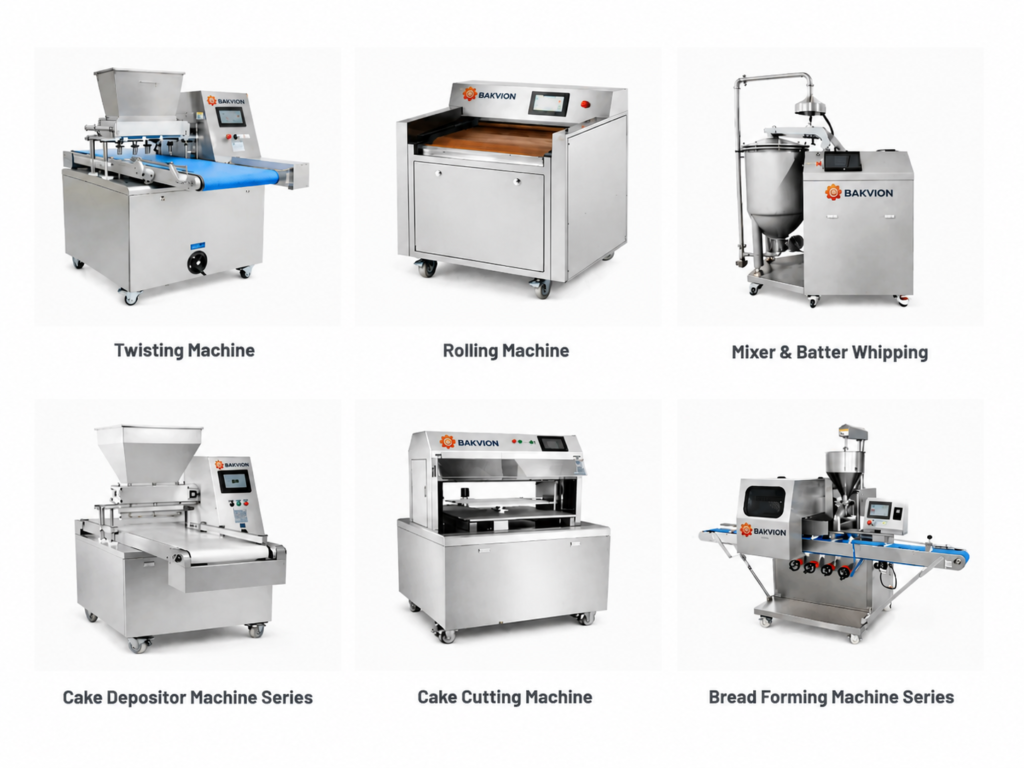
From dough mixers and proofing cabinets to commercial ovens and packaging machines, each piece of bakery equipment serves a specific purpose within the production process. Investing in reliable and high-performance equipment can streamline operations, reduce labor costs, improve product consistency, and increase overall productivity. Understanding the functions and capabilities of different bakery machines allows bakery owners to make informed purchasing decisions that align with their production goals.
In this complete bakery equipment guide, we’ll explore the most important types of commercial bakery equipment, their applications, key features to consider before purchasing, and practical tips for selecting the best solutions for your bakery business. Whether you operate a small artisan bakery or a large-scale commercial production facility, this guide will help you build an efficient and profitable baking operation.
What Is Bakery Equipment?
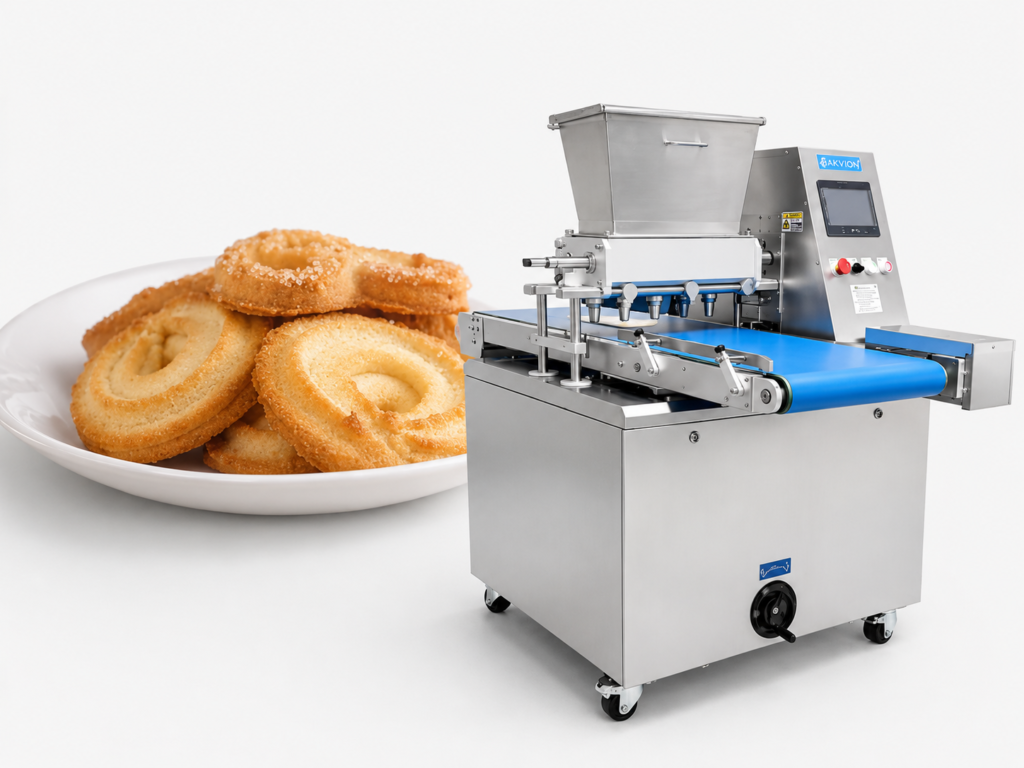
Bakery equipment refers to the complete range of machines, tools, and workstations used throughout the baking process, including mixing, kneading, proofing, baking, cooling, packaging, and displaying baked goods. Whether producing bread, cakes, pastries, cookies, or pizza dough, bakeries depend on specialized equipment to ensure product consistency, operational efficiency, and high production standards.
Unlike household baking tools, commercial bakery equipment is engineered for continuous operation, larger production volumes, and long-term durability. Modern bakery machines help businesses streamline production workflows, reduce labor requirements, improve product uniformity, and comply with food safety regulations. As consumer demand continues to grow, investing in reliable bakery equipment has become essential for maintaining competitiveness in the baking industry.
From small artisan bakeries to large-scale industrial baking facilities, selecting the right equipment directly impacts productivity, operating costs, and product quality. Understanding the functions and capabilities of different bakery machines is the first step toward building an efficient and profitable bakery operation.
Tip: When selecting bakery equipment, focus not only on production capacity but also on energy efficiency, maintenance requirements, and future business growth to maximize your long-term return on investment.
Core Bakery Equipment Every Commercial Bakery Needs
Every bakery has unique production requirements, but certain bakery equipment forms the foundation of nearly every commercial baking operation. These essential machines streamline workflow, maintain product quality, and increase production efficiency, ensuring that bakeries can meet customer demand consistently.
Commercial Mixers
Commercial mixers are vital for mixing dough, batters, creams, and fillings quickly and evenly, significantly reducing manual labor.
Spiral Mixers: Ideal for heavy doughs such as bread, pizza, and artisan baked goods. The rotating bowl and spiral hook combine ingredients gently while maintaining optimal dough temperature and gluten structure, making them perfect for bakeries producing large daily volumes.
Planetary Mixers: Highly versatile and suitable for lighter doughs, cakes, cookies, frosting, and creams. The mixing attachment rotates around the bowl, allowing for multiple applications and easy adaptation for diverse recipes.
Tip: Choose a mixer based on the type of dough or batter you make most frequently; spiral mixers excel at heavy dough, while planetary mixers handle lighter, multi-purpose applications.
Bakery Ovens
Ovens are the core of any bakery. Selecting the right commercial bakery oven ensures even baking, optimal texture, and consistent product quality.
Deck Ovens: Use stone or metal decks for uniform heat distribution, ideal for artisan breads, pizza, and baguettes requiring a crispy crust.
Convection Ovens: Fans circulate hot air throughout the chamber, providing uniform baking for cakes, cookies, and pastries while reducing baking time.
Rotary Rack Ovens: Designed for high-volume operations, these ovens rotate racks during baking to expose all trays evenly. They are common in industrial bakeries and large-scale bread production facilities.
Dough Proofers
Proper proofing is essential to dough texture, flavor, and volume. Dough proofers create controlled temperature and humidity conditions, allowing dough to rise consistently before baking.
Commercial proofers are critical for bread bakeries, pizza shops, and pastry production lines. They reduce inconsistencies and ensure each product meets the desired quality standard, supporting high-volume and professional baking operations.
Tip: When investing in dough proofers, consider capacity, humidity control precision, and energy efficiency to support consistent high-volume production.
Work Tables, Prep Stations, and Specialty Bakery Equipment
Efficient bakery preparation areas are essential for smooth workflow, hygiene, and faster production. Well-designed work tables and prep stations allow staff to mix, shape, and package baked goods with minimal delays, helping bakeries maintain consistent quality while increasing daily output.
Stainless Steel Work Tables and Dough Prep Areas
Stainless steel work tables are a cornerstone of commercial bakery equipment. Their durability, corrosion resistance, and easy-to-clean surfaces make them ideal for mixing, shaping, decorating, and packaging products. Dedicated dough preparation stations help organize production, improve efficiency during scaling and kneading, and reduce the risk of cross-contamination.
Tip: Choosing stainless steel prep tables ensures both durability and food safety, making cleanup fast and maintaining high hygiene standards in busy bakeries.
Specialty Bakery Equipment
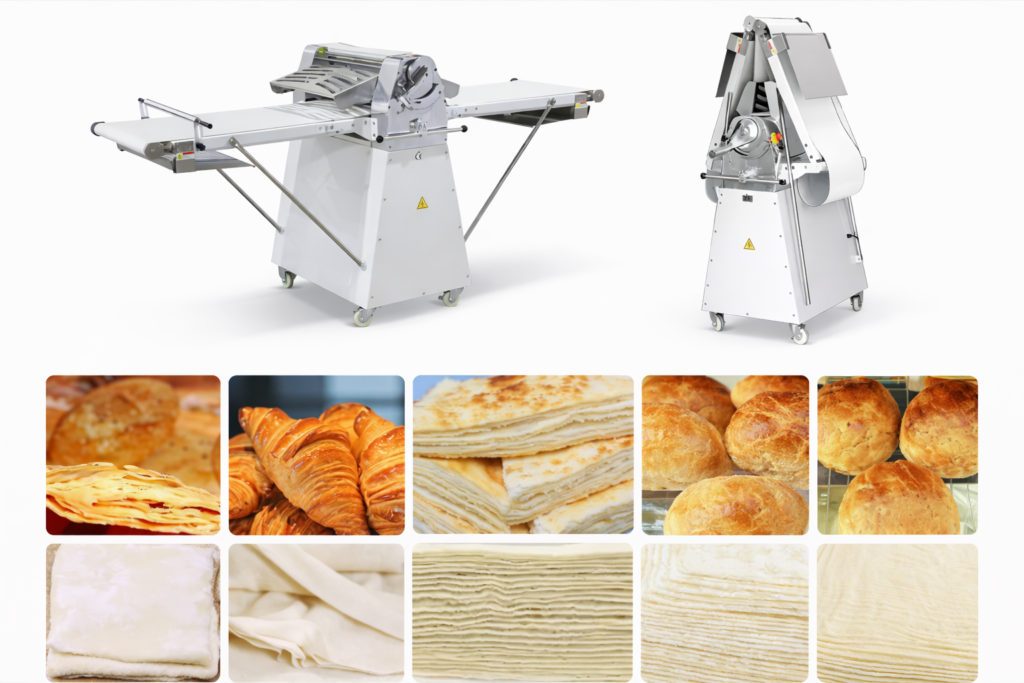
As bakeries scale up, specialty bakery machines become crucial for improving efficiency, product consistency, and output.
- Dough Sheeters: Flatten dough uniformly for croissants, puff pastries, pizza, and laminated dough products. They save labor and maintain consistent thickness.
- Dough Dividers & Rounders: Automatically portion dough into uniform sizes and round balls for bread, buns, and rolls, reducing waste and ensuring consistency.
- Bread Slicers: Deliver even slices quickly and safely, improving presentation and reducing staff time in packaging or customer service.
- Bakery Display Cases: Maintain proper temperature and showcase products like cakes, pastries, and bread to attract customers and boost sales.
- Cooling Racks & Sheet Pan Racks: Ensure proper cooling, organize trays, and optimize workflow in preparation, proofing, and storage areas.
Tip: Investing in specialty bakery equipment like dough sheeters, dividers, and slicers can significantly boost efficiency, consistency, and production capacity in commercial bakeries.
Bakery Equipment by Type
Different bakeries require different equipment depending on production focus. Choosing the right machines improves workflow, product quality, and daily output.
| Equipment | Priority | Best For |
|---|---|---|
| Mixer | Essential | All bakeries |
| Oven | Essential | All bakeries |
| Proofer | High | Bread bakeries |
| Dough Sheeter | Optional | Pastry bakeries |
| Display Case | High | Retail bakeries |
Selecting commercial bakery equipment based on your bakery type ensures optimized operations and supports consistent, high-quality products for your customers.
How to Choose Bakery Equipment for Your Business
Choosing the right bakery equipment is one of the most important decisions for any bakery operation. The equipment you select directly impacts production efficiency, product consistency, labor costs, and future business growth. Before investing in commercial bakery machines, it is essential to evaluate your product range, production goals, available workspace, and long-term expansion plans.
Start with Your Product Line
Different baked products require different types of bakery equipment. Bread bakeries often rely on spiral mixers, proofers, and deck ovens, while cake shops and pastry businesses typically benefit from planetary mixers and convection ovens. Understanding your core products will help you prioritize the equipment that delivers the greatest value to your operation.
Match Equipment Capacity to Production Needs
One of the most common mistakes bakery owners make is purchasing equipment that is either too small or too large. Undersized machines can create production bottlenecks, while oversized equipment often leads to unnecessary energy consumption and higher operating costs. Choosing equipment that matches your current production volume while allowing room for moderate growth is usually the most cost-effective approach.
Consider Space, Utilities, and Workflow
Commercial bakery equipment should fit comfortably within your production area while supporting an efficient workflow. Before purchasing, evaluate floor space, electrical capacity, gas connections, ventilation requirements, and employee movement patterns. Organizing equipment in a logical sequence—from mixing and proofing to baking, cooling, and packaging—can significantly improve productivity and reduce unnecessary labor.
Tip: When planning a new bakery, design your production workflow before purchasing equipment. A well-organized layout often improves efficiency more than simply buying larger machines.
Common Bakery Equipment Mistakes Beginners Make
Many bakery startups invest in equipment too quickly without fully understanding their production requirements. Avoiding common mistakes can save money, improve efficiency, and prevent operational challenges later.
Some of the most common mistakes include:
- Purchasing too much equipment during the startup phase
- Selecting the wrong oven type for the products being baked
- Ignoring production capacity planning
- Creating inefficient bakery layouts
- Focusing only on purchase price rather than long-term value
- Overlooking cleaning and maintenance requirements
- Failing to plan for future business expansion
- Buying from suppliers with limited technical support
While budget is always important, investing in reliable bakery equipment often results in lower maintenance costs, better product consistency, and improved operational efficiency over time.
New vs. Used Bakery Equipment
Choosing between new and used bakery equipment depends on your budget, production goals, and risk tolerance.
| Factor | New Bakery Equipment | Used Bakery Equipment |
|---|---|---|
| Initial Cost | Higher investment | Lower purchase price |
| Condition | Brand new | Depends on previous use |
| Warranty | Manufacturer warranty included | Limited or unavailable |
| Reliability | High reliability | Potential wear and breakdowns |
| Customization | Available from manufacturer | Usually limited |
| Best For | Growing bakeries and long-term operations | Startups with limited budgets |
For bakeries focused on long-term growth, new commercial bakery equipment often provides better reliability, energy efficiency, and manufacturer support.
Bakery Equipment Maintenance Tips
Proper maintenance is essential for maximizing equipment performance and extending service life. Well-maintained bakery machines help reduce unexpected downtime, improve food safety, and maintain consistent production quality.
Key maintenance practices include:
- Cleaning equipment daily to remove flour, grease, and food residue
- Inspecting motors, belts, bearings, and moving components regularly
- Following recommended lubrication schedules
- Calibrating ovens to maintain accurate baking temperatures
- Cleaning refrigeration systems and condenser coils
- Training staff on proper equipment operation
- Replacing worn parts before failures occur
- Scheduling routine preventive maintenance inspections
Tip: Preventive maintenance is significantly less expensive than emergency repairs and can help extend the lifespan of bakery equipment by several years.
Need Professional Bakery Equipment for Your Business?
Whether you’re opening a new bakery, upgrading an existing production line, or expanding your manufacturing capacity, selecting the right bakery equipment is critical to long-term success. Professional mixers, ovens, proofers, dough processing machines, and customized bakery solutions can help improve productivity, reduce operating costs, and maintain consistent product quality.
Working with an experienced bakery equipment manufacturer ensures access to reliable machinery, technical expertise, spare parts support, and customized solutions designed around your specific production requirements.
Conclusion
Investing in the right bakery equipment is one of the most important steps in building a successful bakery business. From mixers and ovens to proofers and dough processing machines, every piece of equipment plays a vital role in product quality, production efficiency, and operational profitability. Careful planning, proper maintenance, and choosing equipment that aligns with your business goals can help create a more efficient and scalable bakery operation.
As a professional Bakery Equipment Manufacturer, we specialize in providing high-quality commercial bakery machines for bakeries, food factories, restaurants, and industrial baking facilities worldwide. Our product range includes mixers, deck ovens, rotary rack ovens, proofers, dough sheeters, bread slicers, and customized bakery production solutions designed to meet diverse manufacturing requirements.
Whether you are launching a new bakery, upgrading existing equipment, or building a complete production line, partnering with an experienced Bakery Equipment Supplier and Manufacturer can help you improve productivity, reduce operating costs, and achieve sustainable business growth. Contact our team today to discover reliable bakery equipment solutions tailored to your production needs.